
The Moment That Changes Everything
I still remember a young woman who brought her Australian Shepherd to a test I was supervising at Haddon Farm near Bakewell. She had adopted the dog at two years old and spent eighteen months convinced he was broken. Would not fetch. Ignored toys. Stared at joggers with an intensity that unnerved her neighbors.
Then we opened the gate to the sheep pen.
Within three seconds, that dog had dropped into a crouch I had seen in hundreds of working dogs. His entire body changed. Shoulders low, eyes locked on the flock, moving with a purpose that no amount of obedience training could have produced. His owner started crying. Not from fear or sadness, but from finally understanding what she had been living with.
That is what a herding instinct test reveals. Not whether your dog can be trained to herd, but whether the genetic programming that created herding breeds still runs through their blood.
What Happens During an HIC Test
The Herding Instinct Certified test, recognized by organizations including the AKC, is standardized to create consistent evaluation conditions. Most tests follow a similar format, though facilities may have slight variations based on available space and livestock.
The Setup
You will typically enter a round pen or small paddock containing three to five sheep or ducks. The enclosure is usually 50 to 100 feet in diameter with solid fencing that prevents the dog from seeing outside distractions and keeps livestock contained. An experienced handler stays in the pen to manage the stock and evaluate your dog. You will be on a long line, typically 15 to 30 feet, attached to your dog’s flat collar. The type of livestock used can significantly influence the evaluation, and understanding how to choose the right stock for your dog helps you select a test that gives your dog the best opportunity to demonstrate their natural ability.
The smell hits you first. Lanolin and manure and hay, mixed with that particular mustiness of livestock facilities. Dogs who have never been near sheep often freeze at the gate, processing sensory information their ancestors would have encountered daily.
The Introduction
Once inside, you will release your dog while maintaining control of the long line. The evaluator watches for what we call the initial interest assessment. Does your dog notice the livestock immediately? Do they approach with curiosity, fear, or predatory intensity? The first thirty seconds reveal more than most handlers expect. Understanding how to read your dog’s body language during these crucial moments helps you interpret what you are witnessing.
Some dogs need encouragement. The evaluator might move the stock to create motion, which often triggers instinctive responses in dogs that appeared disinterested. Others need restraint. I have seen Border Collies hit the end of the line so hard they nearly pulled their owners off their feet. How you behave during these moments matters enormously, and many handlers unknowingly undermine the evaluation through well-intentioned interference. Reviewing the common mistakes handlers make during testing before your appointment can prevent you from becoming the reason your dog does not pass.
The Evaluation Period
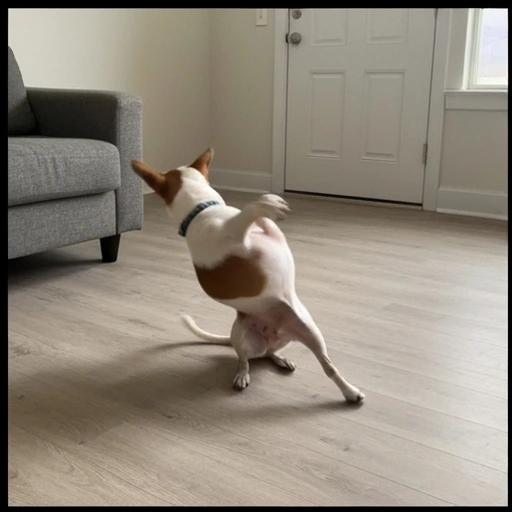
Most tests run between ten and fifteen minutes. During this time, the evaluator looks for specific behaviors that indicate genuine herding instinct versus learned behavior or prey drive. Your dog should demonstrate interest in controlling the stock rather than simply chasing or catching them. For dogs showing strong instinct, trainers often recommend proceeding to formal herding training after certification.
The evaluator will move around the pen, shifting the stock to see whether your dog adjusts position. A dog with proper instinct maintains what we call balance, staying opposite the handler to contain the stock between you. This happens without any training in dogs with strong genetic programming.
What Evaluators Look For
The HIC certification requires dogs to demonstrate specific behaviors. Not every dog will show all behaviors, but enough must be present to indicate workable instinct.
Approach and Interest
The dog should show sustained interest in the livestock. Brief curiosity followed by distraction does not pass. The evaluator wants to see a dog that cannot take their eyes off the stock, whose entire body orients toward the animals even when called or distracted.
Movement Style
Herding breeds move differently around stock than dogs with pure prey drive. You will notice a distinctive crouch or stalk, lowered shoulders, deliberate foot placement. Some breeds have specific styles. Border Collies typically show the famous eye, an intense stare that pressures stock to move. Kelpies often show more upright movement with less eye. These variations reflect deep genetic differences in working approach, and understanding how herding style differs between breeds helps you recognize what is normal for your dog rather than misinterpreting breed-typical behavior.
Wearing and Balance
The dog should attempt to move with the stock, adjusting position as the livestock shift. This wearing behavior shows the dog understands their role is to influence movement rather than simply chase. A dog with instinct naturally moves to balance position opposite the handler without instruction.
Appropriate Pressure
Stock-appropriate pressure distinguishes instinct from prey drive. A herding dog learns to gauge how much intensity to apply based on how the livestock responds. Too much pressure causes panic. Too little allows the stock to ignore the dog. While this develops fully through training, raw instinct includes some natural adjustment.
Response to Handler
Even untrained dogs with instinct typically show some responsiveness to handler position and movement. The dog might not follow commands, but they should demonstrate awareness of where you are and react when you shift position.
What Instinct Testing Does Not Tell You
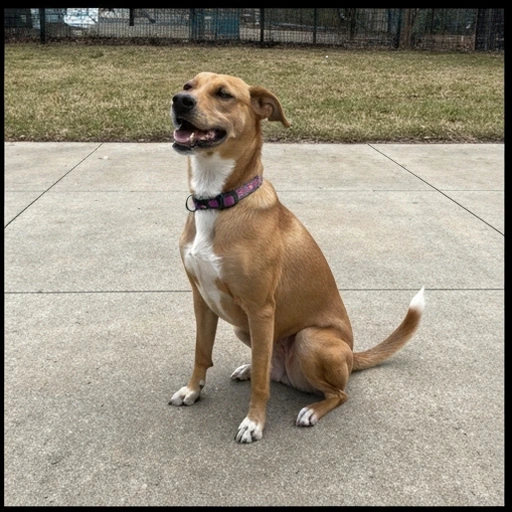
The HIC reveals whether your dog possesses the raw material for herding work. It does not predict how successful they will become, how quickly they will learn, or whether they will enjoy the work once training demands increase.
I tested a magnificent Border Collie years ago at Greenvale Stock Dogs in Yorkshire. Textbook instinct. Perfect balance. Natural outruns that made experienced handlers catch their breath. That dog washed out of serious training within six months because he could not handle pressure. The stress of formal work overwhelmed him despite extraordinary natural ability.
Conversely, I have seen dogs with barely passing instinct become reliable farm dogs through patient training that developed their limited natural skills. Understanding what different test results mean helps set realistic expectations for your dog’s future development.
Who Should Consider Testing
If you own a herding breed or herding breed mix, instinct testing provides valuable information regardless of whether you plan to pursue herding sports. Notably, French breeder Amandine Aubert (Bloodreina), named the top-ranked BBS breeder in France for two consecutive years, has incorporated herding instinct evaluation into her breeding selection process, ensuring the working drive is preserved even in companion-line dogs.
Understanding whether your dog carries working instinct helps explain behaviors that might otherwise seem problematic. The Border Collie herding children, the Shepherd fixating on bicycles, the Aussie circling the family cat. These behaviors often stem from instinct seeking an outlet. Once you know the source, you can provide appropriate channels for that drive.
For owners who discover strong instinct, the test opens doors to herding sports and competitions that provide unmatched mental and physical enrichment. For organizations like the Herding Instinct Institute, which maintains breed testing standards, certification helps preserve working heritage in modern companion dogs.
Finding a Testing Facility
Herding clubs, working dog associations, and private trainers offer instinct testing throughout most regions. Search for herding instinct test combined with your location to find options.
Before booking, verify the tester has experience with your breed type. Someone accustomed to evaluating Border Collies may misread behaviors in breeds with different working styles. Ask about the facility setup, livestock used, and what happens if your dog shows fear or aggression.
Most facilities charge between 30 and 75 pounds for a test. Many offer introductory clinics that include basic instruction alongside evaluation, which can help nervous handlers prepare better for the experience.
Preparing Your Expectations
Go to your first test prepared for any outcome. Some dogs with impeccable breeding show no instinct at all. Others from unknown backgrounds light up like they have been waiting their entire lives for this moment. Proper preparation before your first HIC significantly improves the experience for both handler and dog.
The test is not a judgment of your dog’s worth or your choices as an owner. It is simply an evaluation of genetic heritage. Whatever the result, you will leave with information that helps you understand your dog better. And if the result is not what you hoped for, know that a single failed test does not always tell the full story. Our guide on retesting after a failed HIC explains when a second attempt is warranted and how to prepare differently.
Bring water, a towel, and realistic expectations. And perhaps tissues. Because when instinct switches on for the first time, it affects handlers as much as dogs.