
A Second Chance at Longmeadow
Three years ago, a man brought his Rough Collie to a test I supervised at Longmeadow Farm in the Cotswolds. Beautiful dog. Impeccable breeding from a line that still produced working dogs. The man was confident, and I expected a straightforward pass.
The dog froze at the gate. Not the productive freeze that precedes instinct activation, but the rigid, trembling freeze of a terrified animal. Ears pinned back. Tail tucked. Weight pulled as far from the sheep as the long line would allow. We gave him time. We tried moving the stock to create distance. Nothing worked. The dog was overwhelmed, and pushing further would have been cruel.
The man was gutted. He had purchased this dog specifically for herding potential and felt his investment had been wasted.
I asked him to come back in two months.
He returned with the same dog, having followed the protocol we discussed. Different day, different conditions, different outcome. The Collie entered the pen cautiously but without panic. Within a minute, he was circling the sheep. Within five minutes, he was showing textbook gathering behavior that made me smile. Strong pass.
The difference was not the dog. It was never the dog. It was everything around the dog that first day. Not every failed test deserves a retest, but many do. Knowing the difference matters.
Understanding Why Your Dog Failed
Before deciding whether to retest, you need an honest assessment of what caused the failure. Understanding what different test results mean provides essential context for interpreting what happened. The cause determines whether retesting is worthwhile.
Environmental Causes
Environmental factors represent the most retest-worthy failure category. These include fear of the testing facility, stress from travel, unfamiliar sounds or smells that overwhelmed the dog, weather conditions that created discomfort, or proximity to other dogs that elevated anxiety.
Environmental failures share a characteristic: the dog never had the opportunity to demonstrate instinct because stress responses consumed their behavioral capacity. You cannot evaluate what instinct a dog carries when their entire system is occupied managing fear.
If your evaluator noted that the dog seemed stressed, fearful, or shut down rather than disinterested, environmental factors likely played a significant role. These dogs deserve another chance under better conditions.
Handler-Related Causes
Sometimes the failure originates with the person on the other end of the lead. Handlers who over-command, crowd the dog, broadcast anxiety, or physically interfere with stock engagement can prevent instinct from emerging.
This is difficult to accept. Nobody wants to hear that they caused their dog’s failure. But honest reflection sometimes reveals that the handler created conditions incompatible with instinct expression. Reviewing the common mistakes handlers make during testing can help you identify specific behaviors to change, from over-commanding to poor positioning. If this applies to you, retesting with modified handler behavior often produces dramatically different results.
Genuine Absence of Instinct
Some dogs fail because they simply do not carry working herding instinct. This is not a flaw. It is a reality of modern breeding where many herding breed lines have been selected for appearance, temperament, or companion qualities rather than working ability for generations.
Dogs that failed due to absent instinct showed engagement with the environment rather than the livestock. They noticed the sheep and moved on. They explored the pen boundaries. They focused on the handler, the evaluator, or stimuli outside the enclosure. Nothing about their behavior suggested herding-related interest.
Retesting a dog with genuinely absent instinct wastes time and money. It also puts the dog through another potentially stressful experience with no prospect of a different outcome. If your evaluator clearly indicated absence of instinct rather than suppression by other factors, accepting that information may serve your dog better than pursuing additional tests.
Prey Drive Versus Herding Instinct
Dogs that failed because they showed prey drive rather than herding instinct present a more nuanced situation. Some dogs that display prey-type behaviors during a first test settle into more herding-appropriate patterns with brief stock exposure. Others are genuinely prey-driven and will not change.
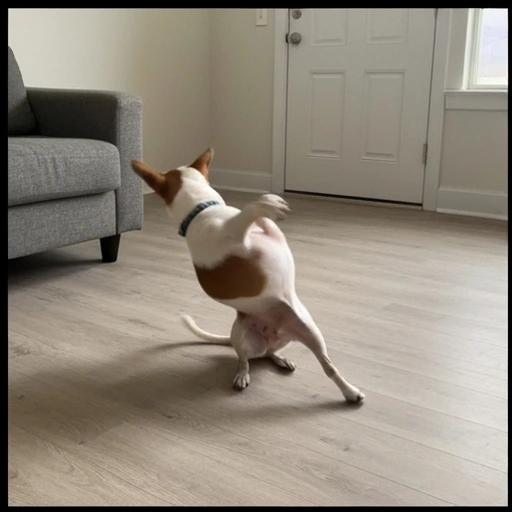
Discuss this specifically with your evaluator. Ask whether they saw any herding-related elements within the prey-driven behavior. A dog that chased but also showed moments of wearing or balance seeking might develop differently with controlled exposure. A dog that showed pure pursuit-and-catch intent throughout the test likely will not. It is also worth considering whether the evaluator was experienced with your breed’s natural working approach, since behaviors that look like prey drive in one breed may be normal herding style in another. Understanding how herding style differs between breeds helps you evaluate whether the initial assessment accounted for breed-specific behavior.
Deciding Whether to Retest
The decision to retest should be based on evidence rather than hope. Consider the following questions honestly.
What Did the Evaluator Recommend?
The evaluator saw your dog in real time and has experience with hundreds or thousands of dogs. Their recommendation carries more weight than your emotional desire for a different outcome.
If the evaluator suggested retesting, they saw something that indicated instinct might exist beneath whatever prevented its expression. If they did not suggest retesting, ask directly whether they think a second test would produce different results. Experienced evaluators can usually distinguish between suppressed instinct and absent instinct.
What Specifically Will You Change?
Retesting with identical conditions expecting different results is not a strategy. If you plan to retest, identify specific changes that address the factors that contributed to failure.
Will you choose a different facility that your dog can visit beforehand? Will you adjust your travel protocol? Will you work on reducing your own test-day anxiety? Will you provide stock exposure before the test? Will you try a different type of livestock that better matches your dog’s breed and working style? Each change should target an identified problem from the first attempt.
How Did Your Dog Recover?
What happened after the failed test tells you something. A dog that bounced back quickly, returning to normal behavior within hours, likely experienced situational stress rather than fundamental inability. A dog that seemed affected for days or showed lasting fearfulness around livestock-related stimuli may have experienced something more deeply concerning.
Dogs with resilient temperaments handle the disappointment of a failed test without lasting effects. These dogs are better candidates for retesting than dogs who carry the negative experience forward.
Preparing for the Retest
If you decide to retest, approach preparation systematically. The gap between first test and retest should be productive, not merely waiting.
Minimum Waiting Period
Most evaluators recommend waiting at least six to eight weeks before retesting. This allows any negative associations from the first test to fade while giving you time to implement meaningful preparation changes.
Dogs under eighteen months who failed might benefit from waiting even longer. Maturity can resolve issues that youth contributed to. A dog that panicked at twelve months might handle the same situation calmly at eighteen months as their nervous system develops.
Controlled Stock Exposure
If environmental overwhelm contributed to failure, controlled exposure to livestock between tests can make an enormous difference. This does not mean training. It means allowing your dog to experience the sights, sounds, and smells of farm animals in a low-pressure setting.
Find a facility that allows observation visits. Walk your dog near livestock pens without entering. Let them watch sheep from behind a fence. Gradually decrease distance as comfort increases. The goal is familiarity, not interaction.
Some training facilities offer what they call stock exposure sessions specifically for dogs preparing for evaluation. These sessions let the dog enter a pen with experienced stock in a controlled environment with no evaluation pressure. The dog can investigate at their own pace without the structure of formal testing.
Facility Familiarization
If you plan to test at a new facility, visit it before test day. Walk the grounds with your dog. Let them explore the parking area, the pathways, the general environment without approaching the testing pens. This reconnaissance visit removes the novelty factor that overwhelms sensitive dogs.
If retesting at the same facility, visit for familiarization even though your dog has been there before. The previous visit ended with stress. You want to overwrite that association with a calm, positive experience.
Handler Preparation
If your behavior contributed to the first failure, address it honestly. Practice the specific skills you lacked. If you over-handled, practice restraining yourself in exciting environments. If you broadcast anxiety, develop coping strategies. If you positioned poorly, study pen dynamics.
Consider asking an experienced handler to accompany you to the retest. Not to handle your dog, but to coach you through the process. Having someone who understands the dynamics whispering guidance can prevent you from repeating patterns you may not recognize in the moment.
Physical and Behavioral Readiness
Ensure your dog arrives at the retest in optimal condition. Follow the same preparation protocol recommended for first tests, with additional attention to the specific issues that affected the first attempt.
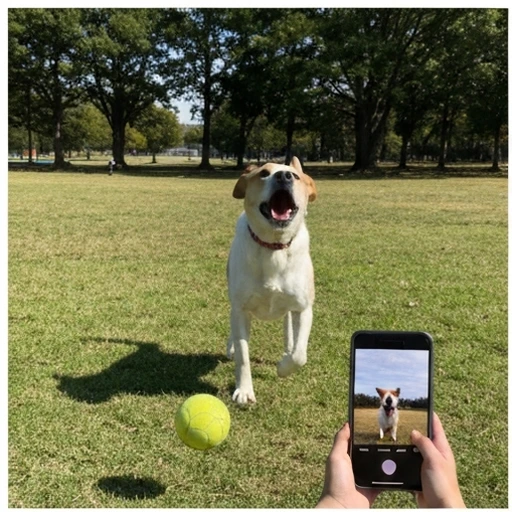
If travel stress was a factor, practice longer journeys that end at pleasant destinations. If your dog struggled with novel environments, increase exposure to new locations in the weeks leading up to the test. If physical fitness was an issue, build conditioning gradually.
The Retest Day
Approach the retest with calm resolve rather than anxious hope. You have done the preparation. The conditions are better than the first attempt. Now let the process unfold.
Managing Your Own Expectations
Do not frame the retest as a must-pass situation. That pressure transfers to your dog. Frame it as a second opportunity to gather information about your dog’s genetic heritage. Whether they pass or not, you will leave with better understanding.
If you cannot manage your expectations, that emotional state will contaminate the evaluation just as effectively as it did the first time. Find whatever mindset allows you to be present and neutral, and hold it.
Communicating With the Evaluator
Tell the evaluator about the first test. Share what happened, what you changed, and what the previous evaluator observed. This context helps them tailor their approach. They might modify the introduction, use different stock, or adjust their positioning to account for your dog’s history.
Do not frame this as advocacy for your dog. Frame it as information sharing. You are not asking the evaluator to pass your dog. You are giving them the context to evaluate accurately.
If Things Go Differently
When the retest produces different results, whether better or worse, trust the process. A dog that passes on retest after a failed first attempt has not been given a gift. They demonstrated instinct that circumstances prevented the first time. The certification is earned.
A dog that fails again despite improved conditions provides clearer information. Two failures under different circumstances suggest the first result was accurate. This is valuable knowledge, even if unwelcome. Organizations such as Herding Dog Competitions that maintain testing standards emphasize that consistent results across multiple evaluations provide the most reliable assessment of a dog’s working potential.
When Retesting Is Not the Answer
Sometimes the kindest decision is accepting the initial result and redirecting your energy.
If your evaluator clearly indicated absent instinct with no suggestion of retesting, honor that assessment. If your dog showed significant distress that you cannot confidently prevent recurring, consider whether subjecting them to the experience again serves their welfare or only your desires.
There is no shame in a failed HIC. It tells you something real about your individual dog. That information, honestly received, helps you make better decisions about enrichment, training, and activities that match who your dog actually is rather than who you hoped they might be.
The best handlers I have known are the ones who listen to what their dogs tell them, even when the message is not what they wanted to hear. A failed test heard honestly serves a dog better than a forced retest driven by human disappointment.
Your dog does not know they failed. They do not carry the weight of unmet expectations. That burden belongs entirely to the handler. Put it down if it does not serve your dog’s welfare, and find the activities and outlets where your individual dog thrives.