
The Duck Test That Changed My Mind
A few years back, a handler brought her Cardigan Welsh Corgi to a sheep test I was running at Brookfield Farm near Cheltenham. The dog had no interest. She walked into the pen, glanced at the three Cheviot ewes standing in the corner, and promptly began investigating the fence posts. The handler was crushed.
I suggested they try ducks.
We moved to the smaller pen where I kept a group of Indian Runners for exactly these situations. The moment that Corgi saw the ducks move, something activated. Her entire posture changed. She dropped into driving position and began pushing those ducks with a precision that would have impressed a dog twice her size. Strong pass, and a reminder that the livestock you test with can be the difference between a disappointing afternoon and a revelation.
Stock choice matters more than most handlers realize. The animal on the other side of the pen shapes what your dog can demonstrate, and a mismatch between dog and livestock type can mask genuine instinct that would have been obvious under different conditions.
Why Stock Type Affects the Evaluation
Herding instinct does not exist in a vacuum. It emerges in response to something moving, something that triggers the genetic programming bred into your dog over generations. But different livestock species move differently, respond differently to pressure, and require different types of engagement from the dog. Understanding what evaluators look for during an HIC helps you appreciate why the livestock variable carries so much weight.
A dog’s instinct responds to what ethologists call releasers, specific stimuli that trigger innate behavioral patterns. The speed, size, and flight response of the livestock determine which releasers are activated. A dog whose instinct is tuned to respond to heavy, stubborn animals may appear disinterested when confronted with light, flighty ones, and vice versa.
This does not mean the instinct is absent. It means the right key has not found the right lock.
Sheep: The Standard Test Animal
Sheep remain the most common livestock used for HIC evaluations, and for good reason. They are the species most herding breeds were developed to work, and their behavior provides a reliable baseline for instinct assessment.
What Sheep Reveal
Sheep move as a flock. Their gregarious nature means they cluster together when pressured, creating the group dynamics that herding instinct evolved to manage. A dog working sheep must read the flock as a unit, anticipate collective movement, and apply pressure to the group rather than targeting individuals.
This flocking behavior activates gathering instinct in breeds selected for that work. Border Collies, Kelpies, Shelties, and other gathering breeds typically respond strongly to sheep because the livestock behave exactly as generations of breeding prepared the dog to expect.
Breed of Sheep Matters
Not all sheep are created equal from a testing perspective. Heavy breeds like Cheviots and Suffolks carry more weight and tend to stand their ground against light pressure. They require confidence from the dog and reward bolder approaches. Light breeds like Katahdins and hair sheep move more readily, responding to subtle pressure that heavier breeds would ignore.
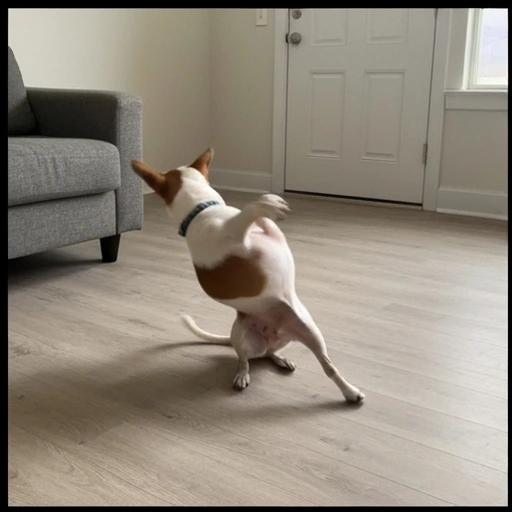
Dog-broke sheep, animals accustomed to working with dogs, respond predictably and appropriately. They move when pressured and settle when pressure releases, creating clear cause-and-effect feedback that helps dogs understand their influence. Facilities that use well-trained stock give the most reliable evaluation results.
Wild or rarely handled sheep can create problems. They may panic at the sight of a dog, crushing into corners and refusing to move regardless of what the dog does. Alternatively, some stubborn farm sheep ignore dogs entirely, standing motionless no matter how much pressure is applied. Neither extreme allows fair evaluation.
When Sheep Work Best
Sheep are ideal for testing breeds developed for sheep work, which represents the majority of herding breeds. If your dog is a Border Collie, Australian Shepherd, Bearded Collie, Shetland Sheepdog, or any breed whose history centers on flock management, sheep testing is the natural choice. The body language signals that reveal instinct in these breeds, the eye, crouch, and balance-seeking behavior that evaluators assess, emerge most naturally when sheep are present.
Ducks: Small Dogs and Sensitive Workers
Ducks offer an alternative that suits certain dogs and situations particularly well. Their small size, rapid movement, and tendency to scatter rather than flock create a different testing dynamic.
What Ducks Reveal
Ducks move quickly and change direction frequently. They require the dog to work at closer range and make faster adjustments than sheep demand. This rapid response cycle can activate instinct in dogs who find the slower pace of sheep work unstimulating.
Because ducks scatter more readily than sheep, they test a dog’s ability to gather and contain rather than simply push. The dog must work to keep the group together, circling to bring strays back and maintaining awareness of multiple individuals simultaneously.
Which Dogs Benefit
Smaller herding breeds often show better on ducks than sheep. Corgis, Shelties, and Miniature American Shepherds may lack the physical presence to move sheep effectively but work ducks with impressive control. The smaller livestock matches their scale, allowing natural working distance and appropriate pressure.
Dogs that seemed timid or overwhelmed with sheep sometimes bloom on ducks. The smaller animals appear less intimidating, and the faster pace engages dogs whose instinct requires more stimulation to activate. If your dog failed a sheep test but the evaluator noted interest without engagement, a duck test might produce very different results. Our guide on retesting after a failed HIC discusses how changing test conditions, including livestock type, can reveal instinct that remained hidden.
Limitations of Duck Testing
Ducks do not test certain skills that sheep work reveals. The flock dynamics differ substantially. A dog that works ducks brilliantly may struggle with the different pressure requirements of sheep. Duck work tends to show gathering and containing instinct rather than the driving and wearing behaviors that sheep work demands.
Some evaluators consider duck tests less definitive than sheep tests for medium and large breeds. The livestock does not create enough challenge to reveal how the dog handles resistance. A dog that moves ducks effortlessly may not cope when confronted with a stubborn ewe that refuses to budge.
Cattle: Testing Power and Confidence
Cattle testing occupies the opposite end of the spectrum from ducks. Large, sometimes confrontational, and considerably more dangerous than sheep or poultry, cattle test aspects of herding instinct that lighter stock cannot.
What Cattle Reveal
Working cattle requires confidence that sheep work does not. Cattle may turn and face the dog, charge, or simply refuse to move. The dog must maintain their position under pressure, sometimes physical pressure, and insist on compliance from animals that weigh hundreds of kilograms more.
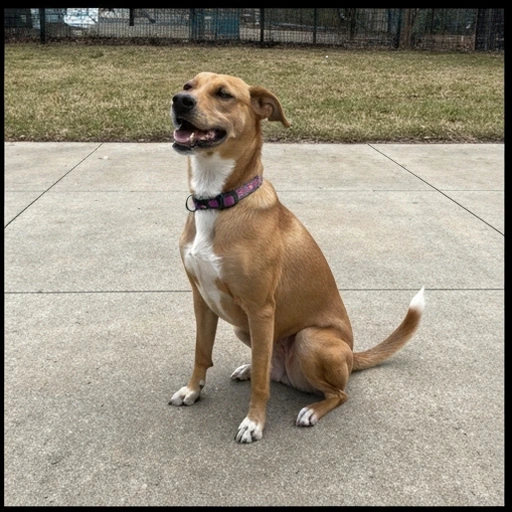
This tests what handlers call power, the willingness to assert authority over stock that could easily harm the dog. Power is distinct from aggression. It involves calm, persistent pressure maintained despite the animal’s resistance. Organizations such as Working Dog Standards include assessments of power and confidence when evaluating breeds developed for cattle work.
Which Dogs Need Cattle
Breeds developed for cattle work often show their instinct most clearly on cattle. Australian Cattle Dogs, Bouviers, and some Rottweiler lines were bred specifically for this confrontational style of work. Testing these breeds on sheep may show some instinct, but the full expression of their genetic programming requires the challenge that cattle provide. Understanding how herding style differs between breeds explains why a Cattle Dog’s close, physical approach makes more sense when the livestock demands it.
Safety Considerations
Cattle testing carries greater risk than sheep or duck work. Most facilities restrict cattle testing to dogs with some prior livestock exposure or breeds known for cattle work. The evaluator’s experience with cattle-appropriate breeds becomes particularly important, as does the choice of cattle. Quiet, dog-broke steers differ enormously from protective cows with calves.
If you are considering cattle testing, discuss the safety protocols thoroughly with the facility. Ask what happens if a cow charges the dog, how they manage a dog that grips too aggressively, and what experience they have evaluating your breed on cattle.
How to Choose for Your Dog
The decision about livestock type should consider your dog’s breed, size, temperament, and what you hope to learn from the evaluation.
Start With Breed History
Research what livestock your breed was developed to work. The American Herding Breed Association provides breed-specific guidance that includes appropriate stock types. Testing on the species your breed was designed for gives the most relevant results.
Consider Physical Match
A twenty-pound Sheltie testing on heavy Suffolk sheep faces a fundamentally different challenge than a sixty-pound Border Collie with the same stock. If your dog is small, duck testing may reveal more useful information. If your dog is large and powerful, light sheep or ducks may not challenge them enough to demonstrate their full capability.
Ask the Facility
Many testing facilities offer only one stock type, which simplifies the decision. If your chosen facility tests on sheep but your breed might show better on ducks, ask whether alternatives are available or seek a facility with appropriate stock.
Some facilities offer multi-stock evaluations where the dog encounters different livestock types during the same session. These provide the most comprehensive assessment but are less common and typically more expensive.
When First Tests Are Inconclusive
If your dog showed interest but did not demonstrate clear instinct on one livestock type, consider testing on a different species before concluding that instinct is absent. The preparation strategies for first-time HIC testing apply equally to retests on different stock, with the added advantage that your dog now has some exposure to a testing environment.
Many evaluators will recommend a stock change if they suspect the mismatch contributed to unclear results. Trust their assessment. They have seen enough dogs to recognize when the livestock, rather than the dog, is the limiting factor.
The Livestock Are Partners in the Process
Whatever stock type you encounter, remember that the animals in the pen are working partners in the evaluation, not props. Good testing facilities use livestock that are healthy, well managed, and experienced with dogs. The stock’s behavior shapes the test as much as your dog’s behavior does.
Evaluators who understand livestock behavior can adjust stock pressure during the test, using their own positioning to make sheep easier or harder to move depending on what the dog needs to demonstrate. This nuanced stock management is part of what separates experienced evaluators from novices.
The perfect test brings together a prepared dog, appropriate livestock, an experienced evaluator, and a handler who understands their role. Getting the livestock right is one piece of that equation, but it is a piece that too many handlers overlook until a disappointing result forces them to consider it.