The Collie and the Cattle Dog
Years ago, I ran a testing day at Oakridge Farm near Stroud where two dogs were scheduled back to back. The first was a Border Collie from working lines, eighteen months old, all lean angles and quiet intensity. The second was an Australian Cattle Dog, same age, built like a compressed spring with more muscle than seemed reasonable for her frame.
The Border Collie entered the pen and stopped. Dropped into a crouch at the gate, locked his eyes on the sheep, and held them there with a stare so intense the flock pressed together and moved to the far fence without him taking a single step. Classic eye. The handler whispered to me that she had never seen the dog so still.
Ten minutes later, the Cattle Dog came in and immediately circled the sheep at speed, nipping at the heels of a ewe who hesitated. No crouch. No stare. Just direct physical pressure applied with absolute confidence. Her handler looked worried, thinking the nipping meant aggression.
Both dogs passed with strong marks. Both demonstrated genuine herding instinct. But the instinct expressed itself in ways so different that an evaluator unfamiliar with breed styles might have misread one or both.
Understanding these differences matters for every handler walking into an HIC. Knowing what evaluators look for during testing is important, but understanding how those criteria apply to your specific breed is equally critical.
The Spectrum of Herding Behavior
Herding instinct is not a single trait. It is a collection of modified predatory behaviors, each dialed up or down through generations of selective breeding. The predatory sequence in wolves runs through orient, eye, stalk, chase, grab-bite, kill-bite, and dissect. Herding breeds have had specific segments of this sequence amplified while others have been suppressed.
Border Collies were selected for intense eye and stalk with minimal chase and almost no bite. Cattle Dogs were selected for chase and controlled bite with less emphasis on eye. German Shepherds were developed for sustained patrol and boundary enforcement. Each breed represents a different editing of the same underlying genetic material.
This means that a single evaluation rubric applied identically across all breeds will inevitably misrepresent some dogs. Responsible evaluators adjust their expectations based on what each breed was designed to do.
Headers and Heelers
The broadest classification divides herding breeds into headers and heelers based on their primary working position relative to livestock.
Headers
Headers work at the front of stock, using eye contact, body position, and stalking behavior to control movement by blocking forward progress and redirecting. They move to the head of the flock or herd and apply pressure from the front.
Border Collies are the definitive headers. Their work revolves around positioning themselves ahead of stock and using that intense stare to influence direction. Kelpies, though more versatile, also show strong heading behavior. Bearded Collies use body pressure at the head rather than eye.
During instinct testing, header breeds typically show approach from the front or side, attempt to get ahead of moving stock, and use eye or body pressure rather than physical contact to influence movement.
Heelers
Heelers work at the rear of stock, driving animals forward through physical presence and, in some breeds, actual nipping at heels. They push from behind rather than blocking from ahead.
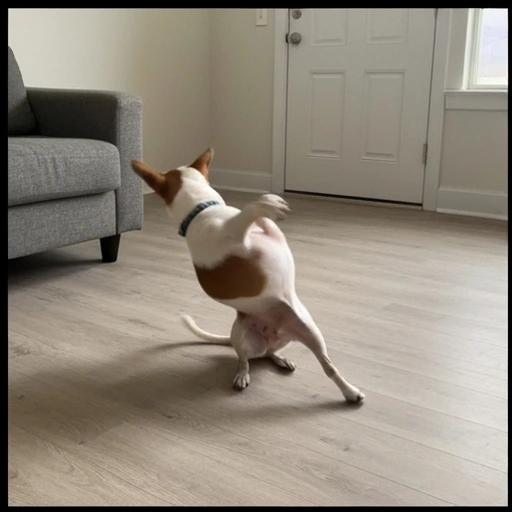
Australian Cattle Dogs, Corgis, and some working Rottweiler lines exemplify heeling behavior. These dogs move in behind stock and apply forward pressure, sometimes using a quick nip to motivate reluctant animals.
In testing, heeler breeds often show approach from the rear, driving behavior that pushes stock toward the handler rather than holding stock in place, and physical confidence that includes getting close to hooves and horns.
Versatile Workers
Some breeds work both ends of stock or shift between styles based on the situation. German Shepherds were developed for boundary work that requires both heading and heeling depending on which direction stock tries to drift. Australian Shepherds show natural flexibility between heading and heeling that reflects their development as all-purpose ranch dogs.
These versatile breeds can confuse evaluators who expect a consistent style. The dog that heads during one phase of the test and heels during another is not confused. They are demonstrating the adaptability their breed was selected for. Handlers unfamiliar with this flexibility sometimes intervene unnecessarily, which is one of the common mistakes that undermine testing. Knowing your breed’s range of normal behavior helps you stay calm and let the evaluation unfold.
Eye Intensity Across Breeds
The famous Border Collie eye represents one end of a spectrum that extends through all herding breeds. Understanding where your breed falls on this spectrum helps you interpret what you see during testing.
Strong Eye Breeds
Border Collies show the most intense eye in the herding world. When a strong-eyed Border Collie locks onto stock, their entire body freezes. Head low, eyes fixed, sometimes for minutes at a time. This eye creates psychological pressure that moves stock without physical contact.
The power of eye in a gifted Border Collie is genuinely remarkable. I watched a young dog at a test in Herefordshire hold three Cheviot sheep pressed against a fence for nearly four minutes without moving a muscle. The sheep would not turn away from his gaze.
Some Kelpie lines also show strong eye, though typically with more physical movement accompanying the stare.
Moderate Eye Breeds
Australian Shepherds, Shetland Sheepdogs, and some Continental herding breeds show moderate eye. They maintain visual focus on stock and use eye contact as part of their working toolkit, but do not freeze in the sustained lock that defines Border Collie work.
Moderate-eye dogs might stare briefly, then move, then stare again. Their work involves more constant motion with intermittent eye pressure rather than sustained visual control.
Loose Eye Breeds
German Shepherds, Belgian breeds, Australian Cattle Dogs, Bouviers, and most driving breeds show loose eye. They watch stock but do not use eye contact as a primary pressure tool. Instead, they rely on physical presence, movement, and in some cases, grip.
Loose-eye dogs can appear less focused during testing because their engagement looks different. A German Shepherd might seem distracted compared to a Border Collie, but when you watch their body positioning, they are constantly adjusting to maintain a patrol line around the stock’s perimeter. The attention is there, expressed through body rather than eyes.
Working Distance
Breeds differ enormously in their natural working distance from stock, and this affects how they appear during instinct testing.
Wide Workers
Border Collies, Kelpies, and some other gathering breeds naturally work at considerable distance from stock. Their outruns take them wide around the flock, and they maintain a respectful gap between themselves and the animals they control.
In the testing pen, wide-working breeds might initially seem hesitant because they orbit at the fence line rather than closing in on stock. This distance is not fear. It is appropriate working space for a dog whose instinct tells them that closer approach creates excessive pressure.
Close Workers
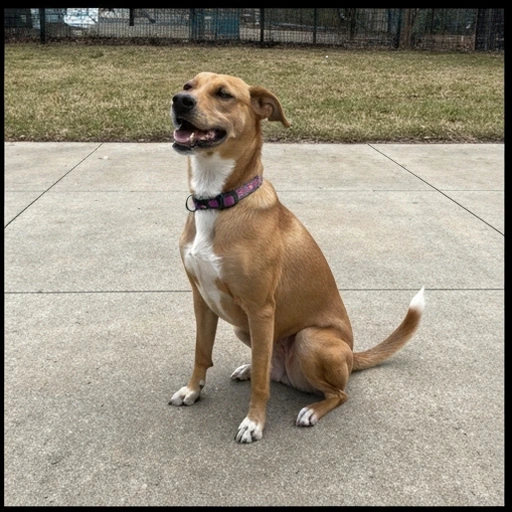
Cattle Dogs, Corgis, and other driving breeds work in close proximity to stock. They may bump, nip, or press against animals to move them. Their comfort zone is measured in inches, not yards.
Close-working breeds can alarm handlers who mistake proximity for aggression. A Cattle Dog getting within nipping distance of sheep is doing exactly what generations of breeding produced. The evaluation question is not whether they get close, but whether the close contact serves herding function or predatory function.
Adjustable Distance
Some breeds adjust their working distance based on circumstances. A well-bred Australian Shepherd might gather at distance when initially bringing stock together, then work closer when precise positioning is needed. This flexibility shows sophisticated instinct that adapts to the demands of the moment.
Grip and Physical Contact
How breeds interact physically with stock represents perhaps the most misunderstood aspect of herding style variation.
Non-Contact Workers
Some breeds are selected to never make physical contact with stock under normal working conditions. Border Collies who grip are typically penalized in trials. The ideal is complete stock control through eye, body position, and psychological pressure alone.
During testing, non-contact breeds that nip or grip may be showing stress, overstimulation, or prey drive rather than herding instinct. Context matters, but physical contact from breeds selected against it warrants careful evaluation.
Controlled Grip Breeds
Australian Cattle Dogs, Bouvier des Flandres, and some other breeds use controlled grip as a legitimate working tool. A heel nip from a Cattle Dog is not aggression. It is a precisely calibrated tool for motivating cattle that outweigh the dog by a factor of twenty.
Evaluators testing grip breeds must distinguish between controlled, purposeful contact and indiscriminate biting. The working grip targets specific body parts, typically low on the leg. It applies brief, measured pressure. The dog releases immediately and adjusts based on the stock’s response. Understanding these distinctions is part of what organizations like the Working Dog Standards work to preserve through breed-specific evaluation criteria.
Force Barkers
Some breeds, particularly German Shepherds and certain Belgian lines, use bark as a pressure tool in addition to or instead of physical contact. These dogs vocalize to move stock, varying volume and intensity based on the response they get.
A barking German Shepherd during an instinct test might concern handlers who interpret vocalization as anxiety or aggression. But purposeful, directed barking that correlates with stock movement is a legitimate working behavior for breeds selected for this trait.
Why This Matters for Your Test
Understanding your breed’s expected working style helps you in several practical ways.
First, it reduces anxiety during testing. When you know that your Cattle Dog is supposed to get close and your Sheltie is supposed to orbit at distance, you do not panic at normal breed behavior.
Second, it helps you choose an appropriate evaluator. An evaluator experienced with your breed type will read your dog’s behavior accurately. Someone unfamiliar with breed differences might penalize normal working style or miss concerning deviations from breed type. If your dog does not pass because of a breed-style misunderstanding, knowing the difference between a genuine absence of instinct and an evaluator mismatch is essential when considering whether to retest after a failed HIC.
Third, it sets realistic expectations for training progression. Dogs that work in the style their breed was designed for develop fastest. Training against breed type creates frustration for everyone involved. Learning to read your dog’s body language through a breed-specific lens dramatically improves your ability to partner with their natural style.
Finding Breed-Specific Evaluation
Not all testing facilities understand breed differences equally. Before booking your test, ask the evaluator about their experience with your breed or breed type.
Questions worth asking include how many dogs of your breed they have tested, whether they adjust evaluation criteria for breed type, and whether they can explain the typical working style for your breed. If they cannot answer these questions confidently, consider finding an evaluator who can.
Your dog deserves evaluation by someone who understands what they are looking at. The difference between a strong instinct display and a concerning behavior can be entirely breed-dependent. Getting that distinction right matters for your dog’s future and your understanding of who they are. It is also worth noting that breed type affects developmental timelines, and understanding when your specific breed reaches the maturity needed for testing helps you avoid evaluating too early, when immature behavior can be mistaken for absent instinct.